治理研究 ›› 2026, Vol. 42 ›› Issue (2): 20-38.

• 技术与价值驱动下的政务服务变革 • 上一篇    下一篇

资源依赖、政企合作与数字政务服务演变——基于广东省的案例研究

郑跃平, 黄源源, 周倩如, 陈瑶   

  • 收稿日期:2025-11-08 出版日期:2026-03-15 发布日期:2026-05-22
  • 通讯作者: 周倩如,中山大学数字治理研究中心研究助理。
  • 作者简介:郑跃平,中山大学政治与公共事务管理学院副教授、博士生导师,中山大学数字治理研究中心主任;
    黄源源,中山大学政治与公共事务管理学院博士研究生;
    陈瑶,中山大学政治与公共事务管理学院博士研究生。
  • 基金资助:
    教育部人文社会科学重点研究基地重大项目“共同富裕背景下的数字政府建设研究:数字包容、决策范式与实施路径”(22JJD630024)

Resource Dependence, Public-Private Partnerships, and the Evolution of Digital Government Services: A Case Study of Guangdong Province

Zheng Yueping, Huang Yuanyuan, Zhou Qianru, Chen Yao   

  • Received:2025-11-08 Published:2026-03-15 Online:2026-05-22

摘要:

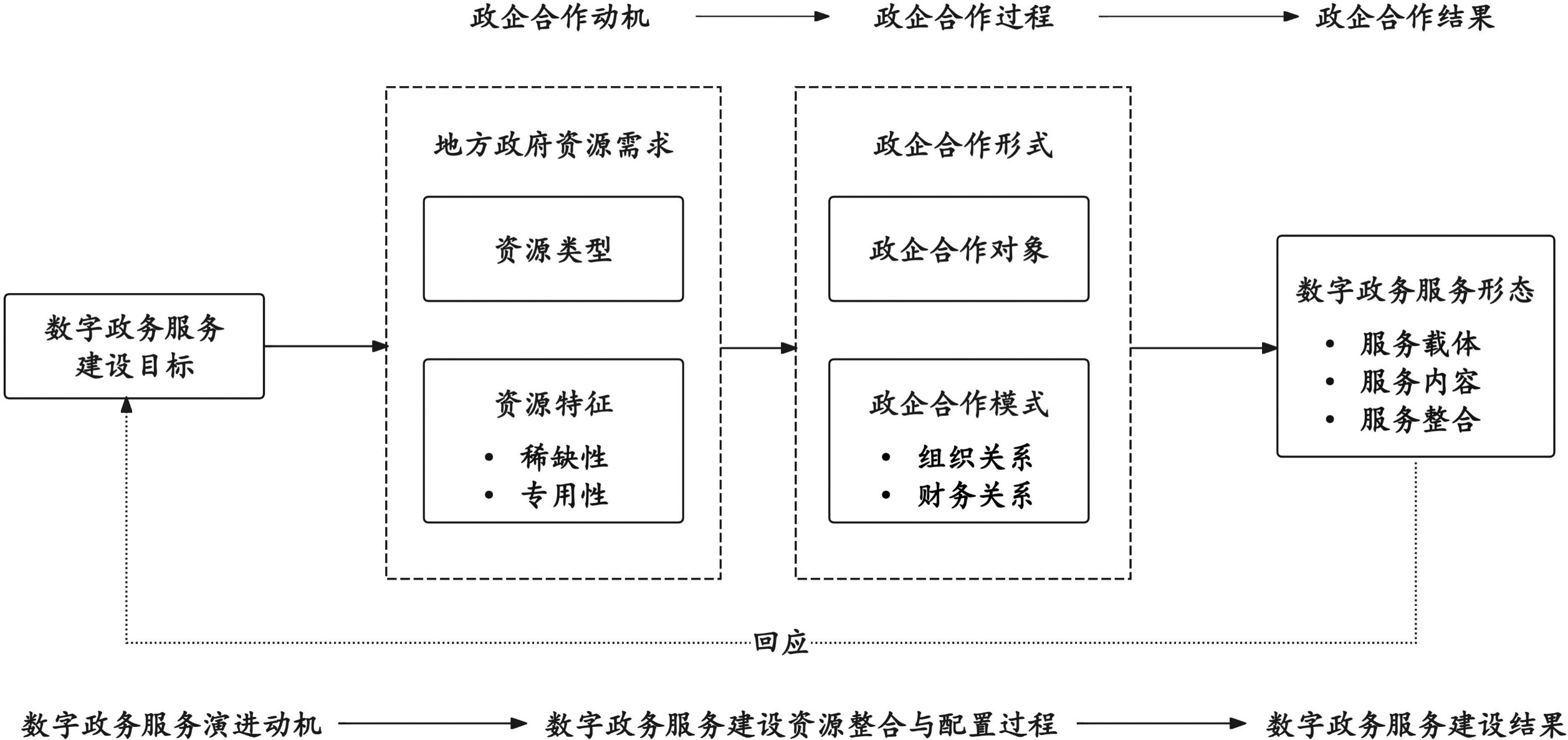
在数字政府建设过程中,厘清数字政务服务建设的内在机制是夯实政府治理能力、保障服务可及性的基础。现有研究从地方政府能力与治理环境出发,探讨数字政务服务发展的横向差异及其致因,然而未能充分解构其纵向演进规律并探究政企合作在其间的影响作用。为此,本研究结合资源依赖理论构建分析框架,以广东省数字政务服务演进为例,探究政企合作与数字政务服务形态间的互构关系。研究发现,数字政务服务建设的阶段目标影响着政府的资源需求;地方政府会在引入资源与维持治理权的双重考虑下选择合作企业与合作模式;政企合作形式通过影响服务建设的资源基础及配置方式,决定数字政务服务形态的阶段产出。与此同时,当数字政务服务形态无法匹配新的建设目标时,上述作用过程将被再度激活,推动地方政府重审资源需求、优化政企合作形式,促成数字政务服务形态的持续演进。本研究通过阐释数字政务服务演进中的政企合作机制,为如何促进持续有效的政企合作提供有益的实践参考。

关键词: 数字政务服务, 政企合作, 资源依赖理论

Abstract:

Understanding how digital government services evolve is essential for strengthening governance capacity and ensuring service accessibility. Existing research has explained cross-regional variation in digital government service development in terms of local government capacity and governance environments. What has had limited attention isa longitudinal perspective of this evolution that focuses on the role of public-private partnerships in that process. Drawing on Resource Dependence Theory, this study examines the evolution of digital government services in Guangdong Province and the mutually constitutive relationship between public-private partnerships and service configurations. The findings show that stage-specific goals shape local governments’ resource demands, which in turn influence their choice of private partners and partnership arrangements as they balance resource acquisition with the preservation of governance authority. These arrangements shape the resource base and allocation of service development, thereby producing different service configurations across stages. When existing configurations no longer fit new goals, governments reassess resource needs and adjust partnership arrangements, driving further service evolution. This study offers practical insights into sustaining effective public-private partnerships in digital government.

Key words: digital government services, public-private partnerships, resource dependence theory

中图分类号: