治理研究 ›› 2026, Vol. 42 ›› Issue (5): 71-87.

• 基层治理专题 • 上一篇    下一篇

从竞争到合作:信任视角下超大城市街区治理共同体的形成逻辑

顾丽梅, 李雨荃, 王思琪   

  • 收稿日期:2025-11-26 出版日期:2026-09-15 发布日期:2026-10-28
  • 作者简介:顾丽梅,复旦大学国际关系与公共事务学院教授、博士生导师;
    李雨荃,复旦大学国际关系与公共事务学院博士研究生;
    王思琪,香港大学治理与政策学院研究生。
  • 基金资助:
    国家社会科学基金重大招标项目“超大城市社会治理的数智赋能研究”(25&ZD153)

From Competition to Cooperation:Formation of Block-Level Governance Communities in Megacities from a Trust Perspective

Gu Limei, Li Yuquan, Wang Siqi   

  • Received:2025-11-26 Published:2026-09-15 Online:2026-10-28

摘要:

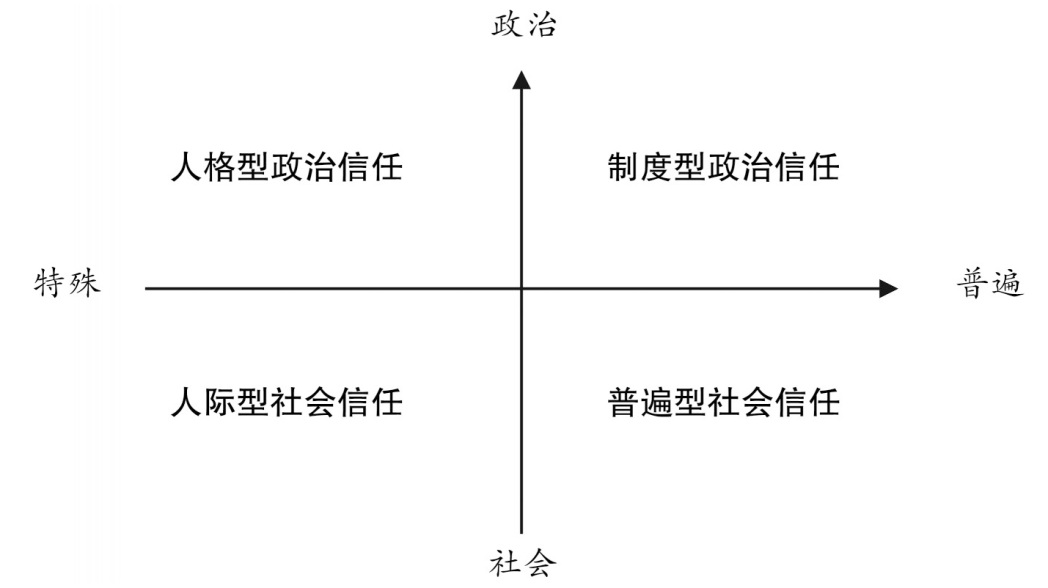
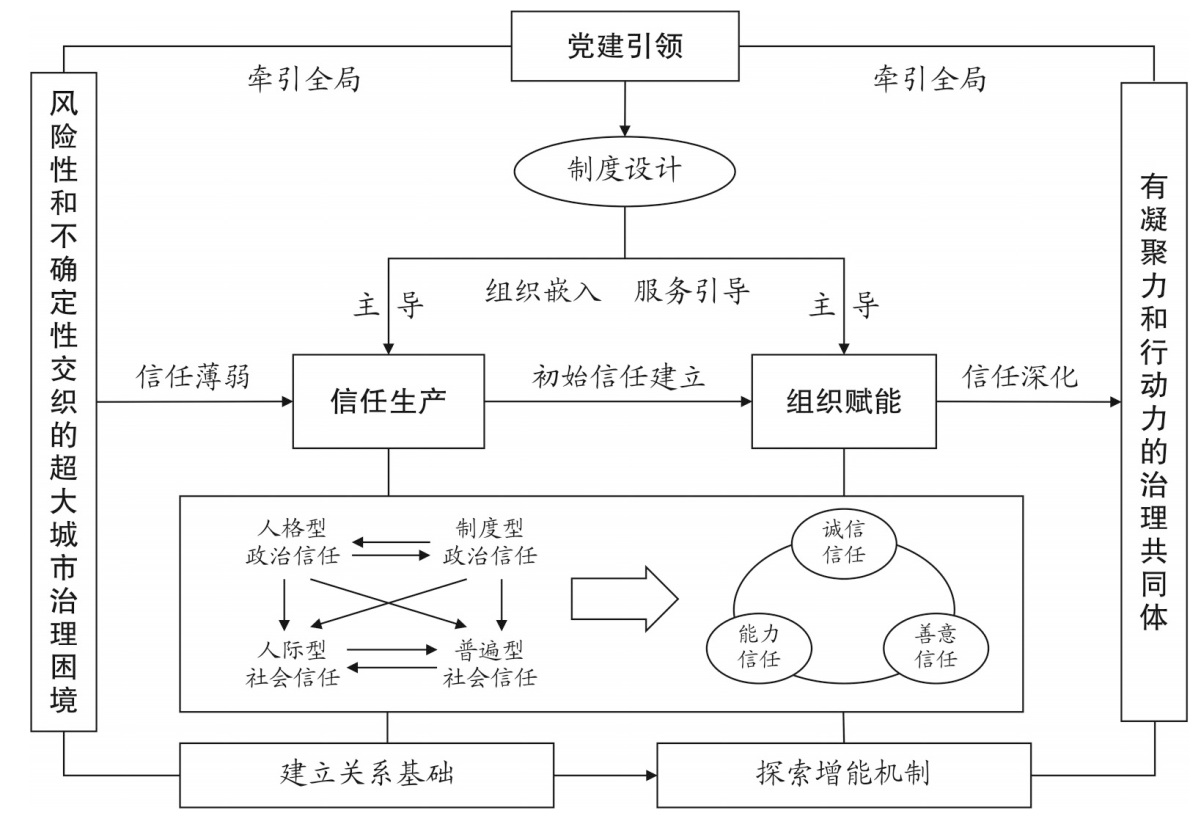
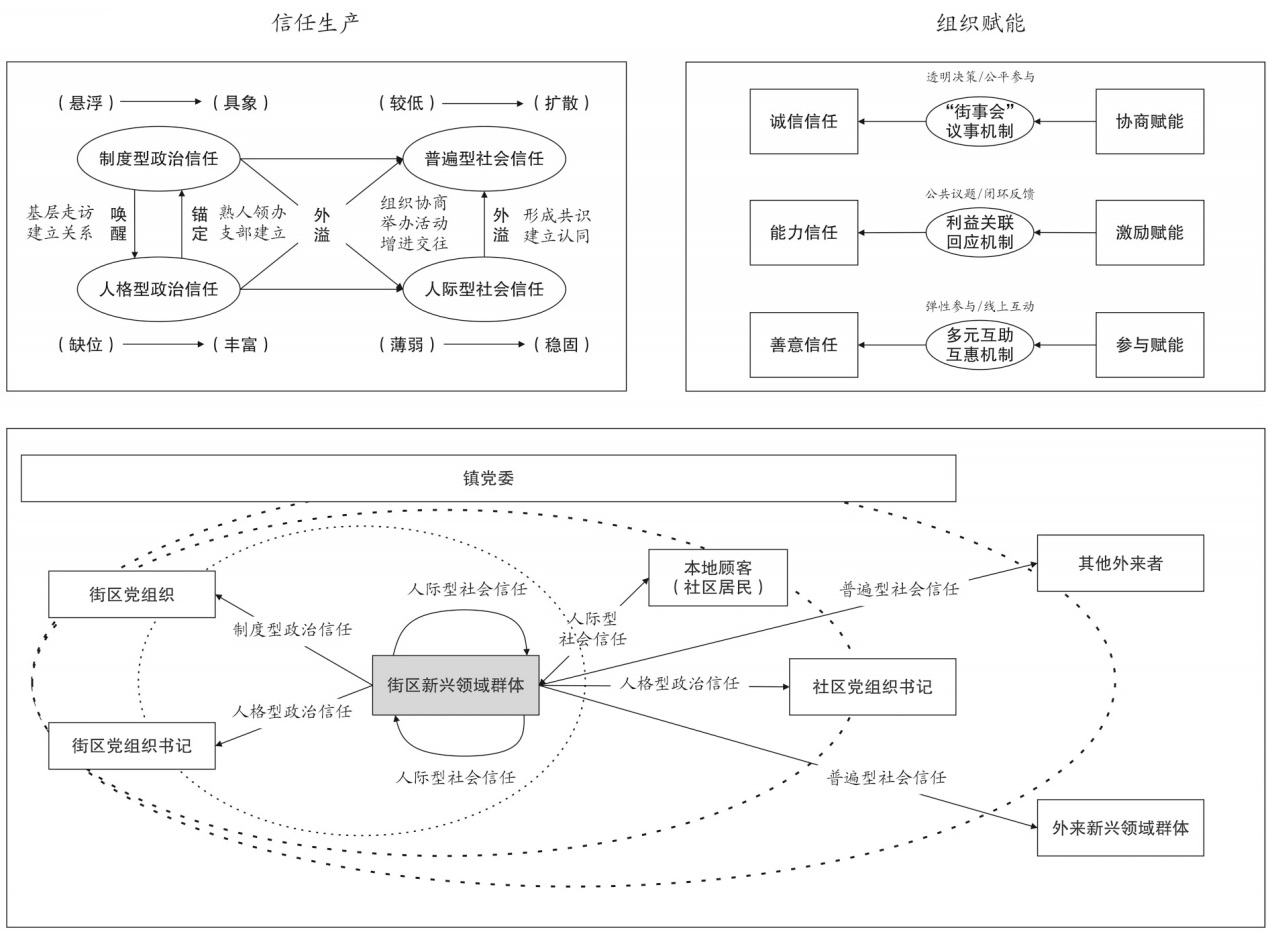
在超大城市街区,新兴领域群体日益成为基层治理的重要主体。然而,由于组织网络缺失、资源竞争激烈、主体流动频繁等原因,街区治理共同体的形成面临较大挑战。信任理论为剖析这一困境提供了有效视角,整合“政治信任—社会信任”“普遍信任—特殊信任”的经典分类逻辑,可界分出人格型政治信任、制度型政治信任、人际型社会信任、普遍型社会信任四种类型,并在此基础上构建党建引领下“信任生产—组织赋能”的分析框架,以揭示街区治理共同体的形成逻辑。上海市T镇的街区治理实践表明,在信任生产环节沿着唤醒、锚定、外溢的递进路径,推动四类信任的激活、巩固与转化;在组织赋能环节,以协商赋能促进诚信信任、激励赋能提升能力信任、参与赋能增强善意信任,将信任所激发的合作意愿转化为可持续的行动能力,推动形成协作共治的街区治理共同体。

关键词: 信任, 超大城市, 街区治理共同体, 新兴领域群体, 党建引领

Abstract:

Actors in emerging sectors are playing an increasingly important role in grassroots governance in the urban blocks of megacities. Yet the formation of block-level governance communities faces considerable challenges due to weak organizational networks,intense competition for resources,and the high mobility of participating actors. Trust theory provides a useful lens for understanding how these barriers to cooperation can be overcome. Drawing on the classic distinctions between political and social trust,as well as between generalized and particularized trust,this study identifies four forms of trust:personalistic political trust,institutional political trust,interpersonal social trust,and generalized social trust. On this basis,it develops an analytical framework of “trust-building and organizational empowerment” under Party-building leadership to explain how block-level governance communities take shape.Drawing on governance practices in T Town,Shanghai,the study finds that trust-building follows a progressive process of awakening,anchoring,and spillover,through which block-level Party organizations activate,consolidate,and transform different forms of trust. Organizational empowerment further translates the willingness to cooperate generated by trust into a sustainable capacity for collective action. Specifically,deliberative empowerment fosters integrity-based trust,incentive-based empowerment strengthens competence-based trust,and participatory empowerment enhances benevolence-based trust. Together,these mechanisms transform trust-based willingness to cooperate into sustained collaborative action,thereby facilitating the formation of a block-level governance community characterized by collaboration and co-governance.

Key words: trust, megacity, block-level governance community, actors in emerging sectors, Party-building leadership

中图分类号: