Governance Studies ›› 2026, Vol. 42 ›› Issue (2): 124-140.
Previous Articles Next Articles
Feng Tieying, Hei Xiaoyan
Received:
Online:
Published:
Supported by:
Abstract:
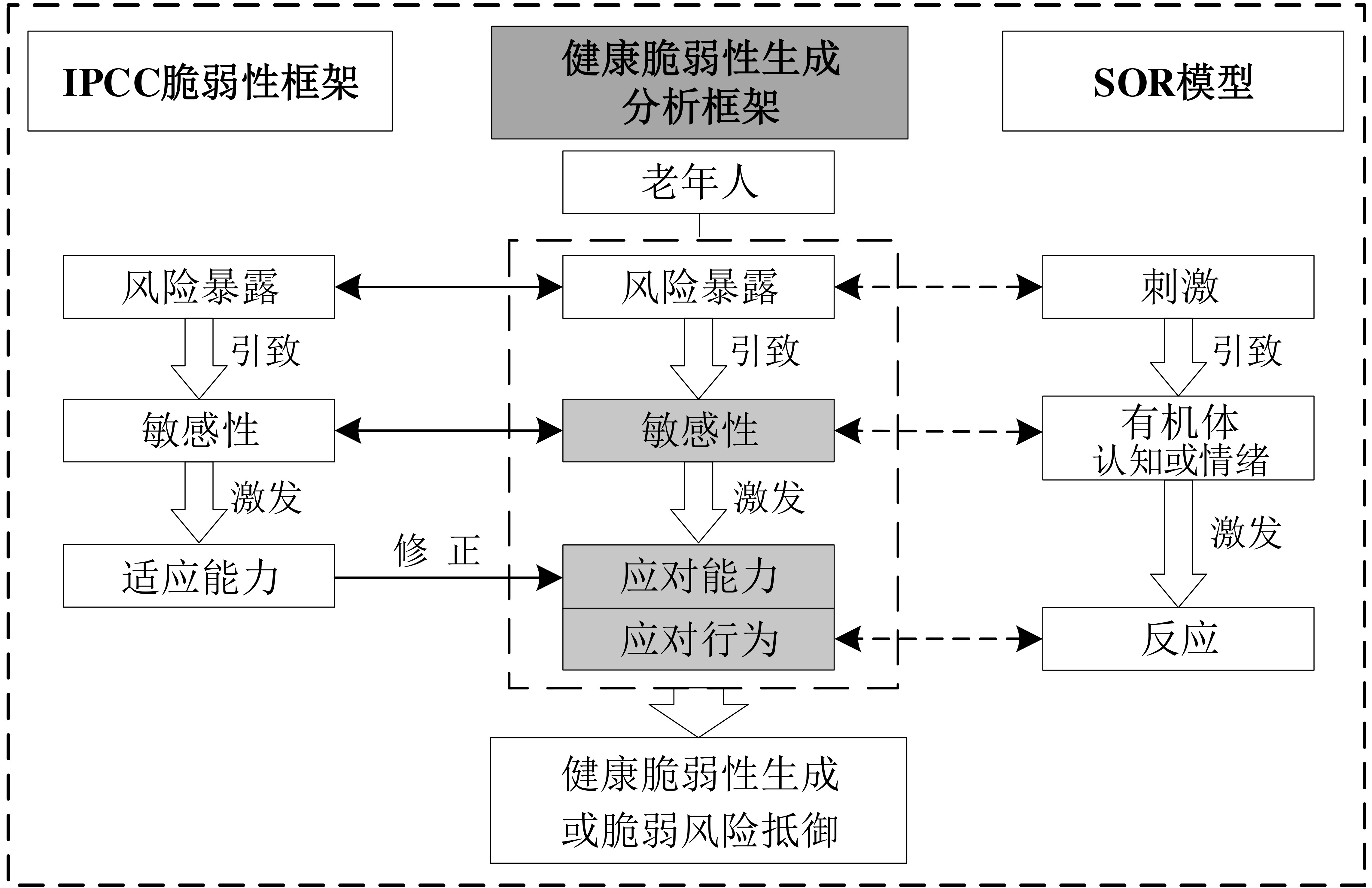
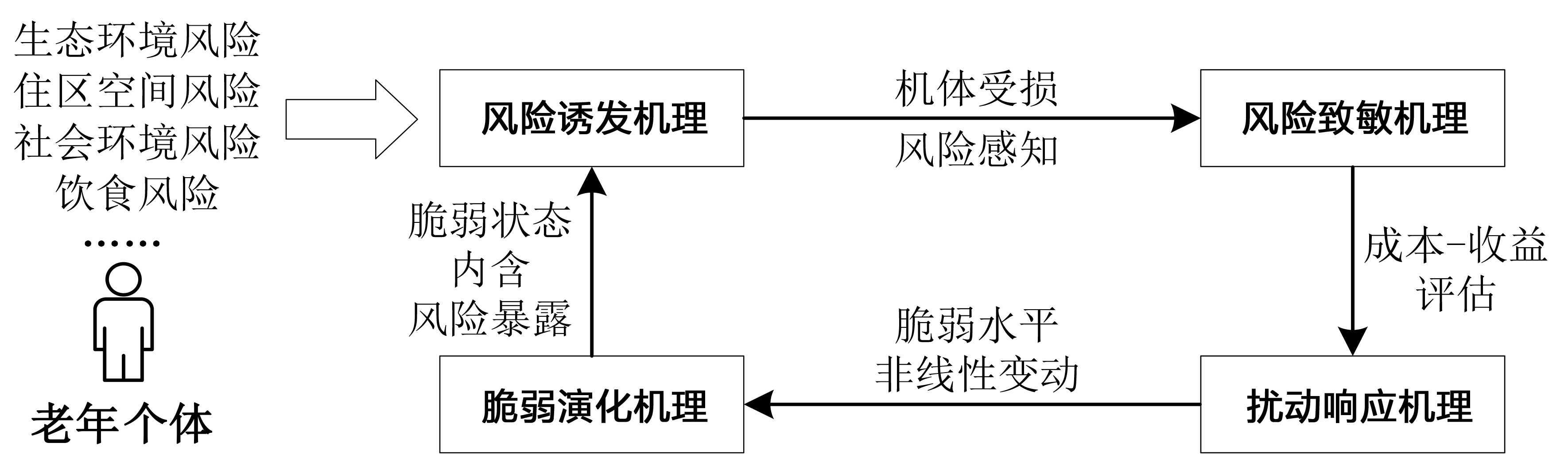
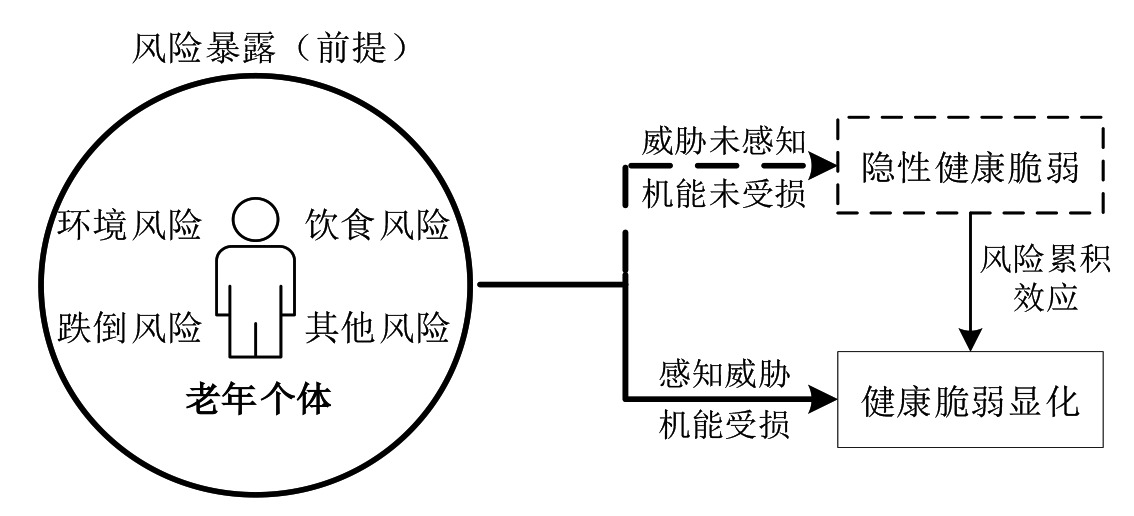
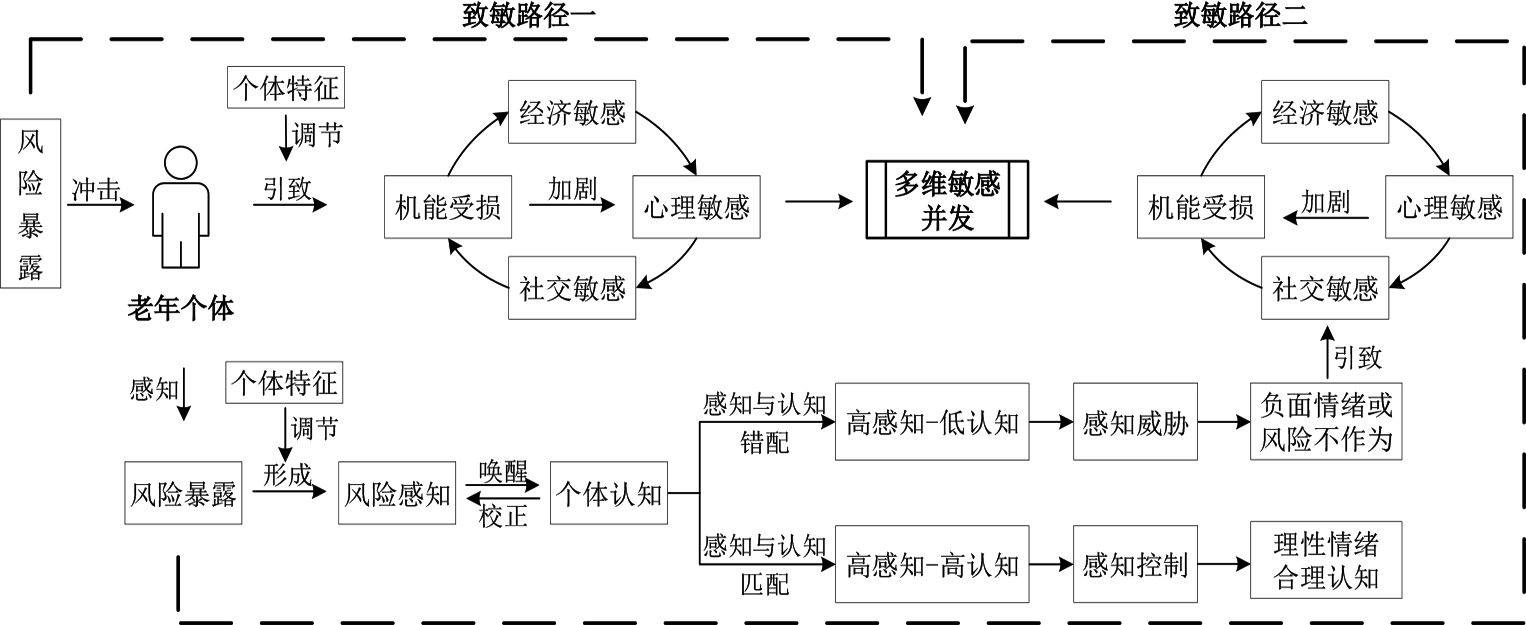
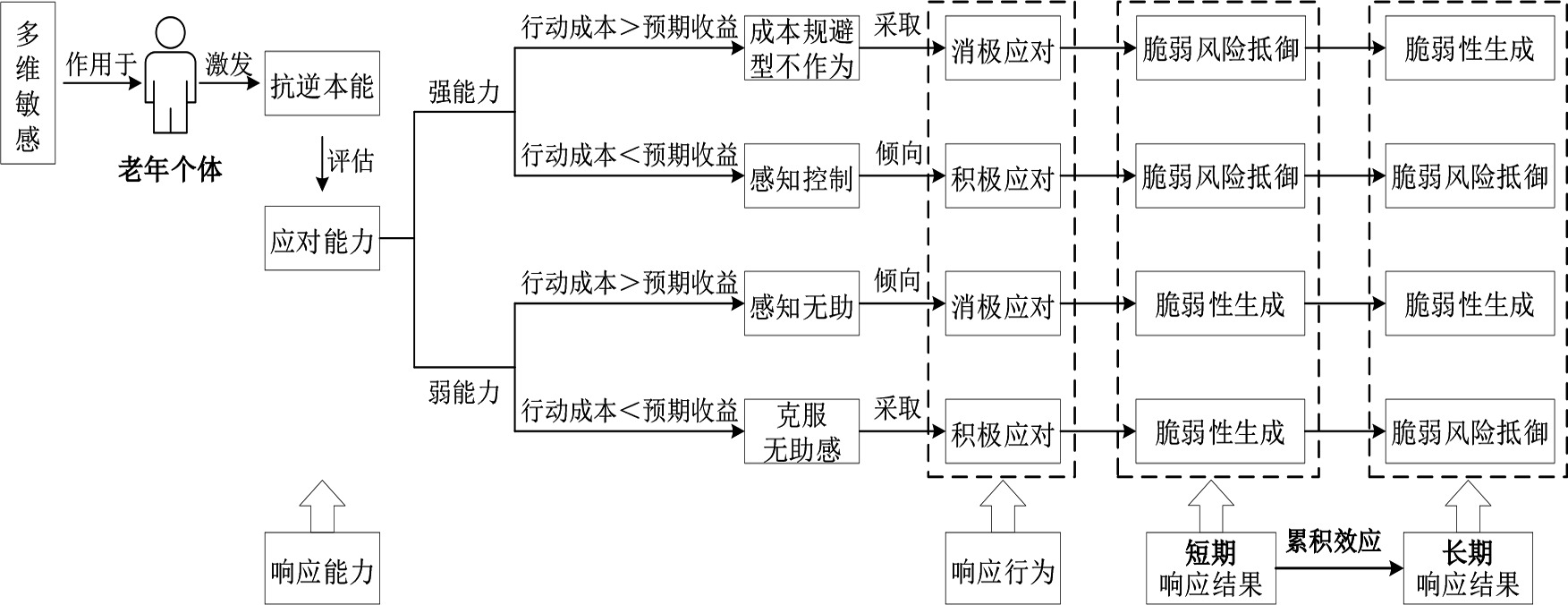
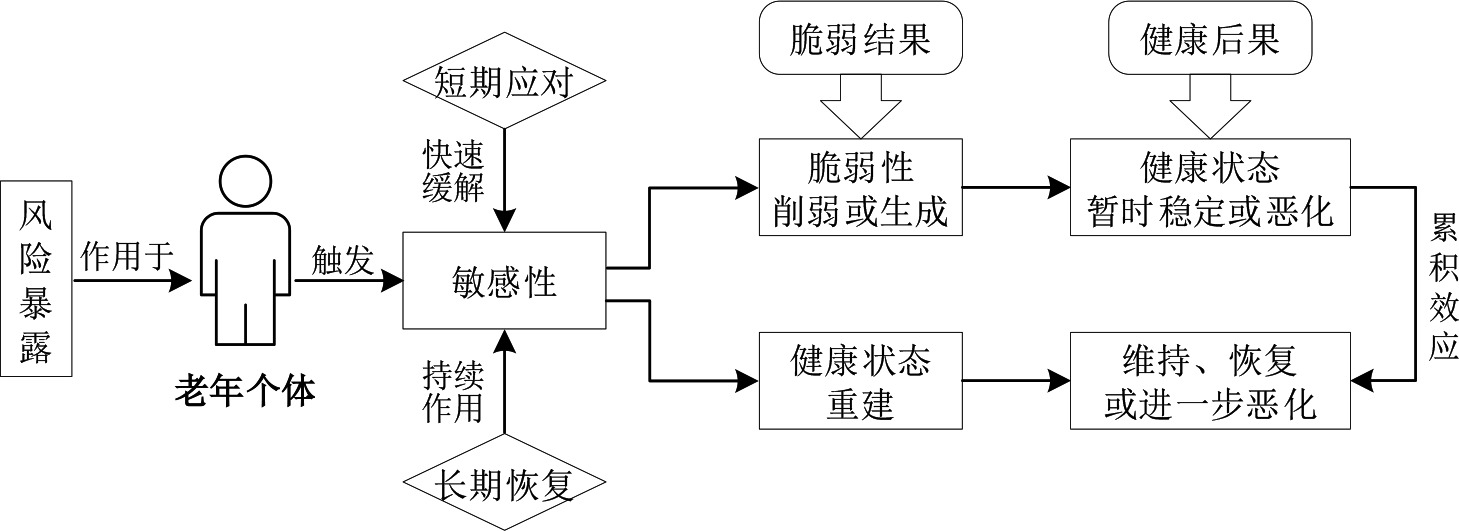
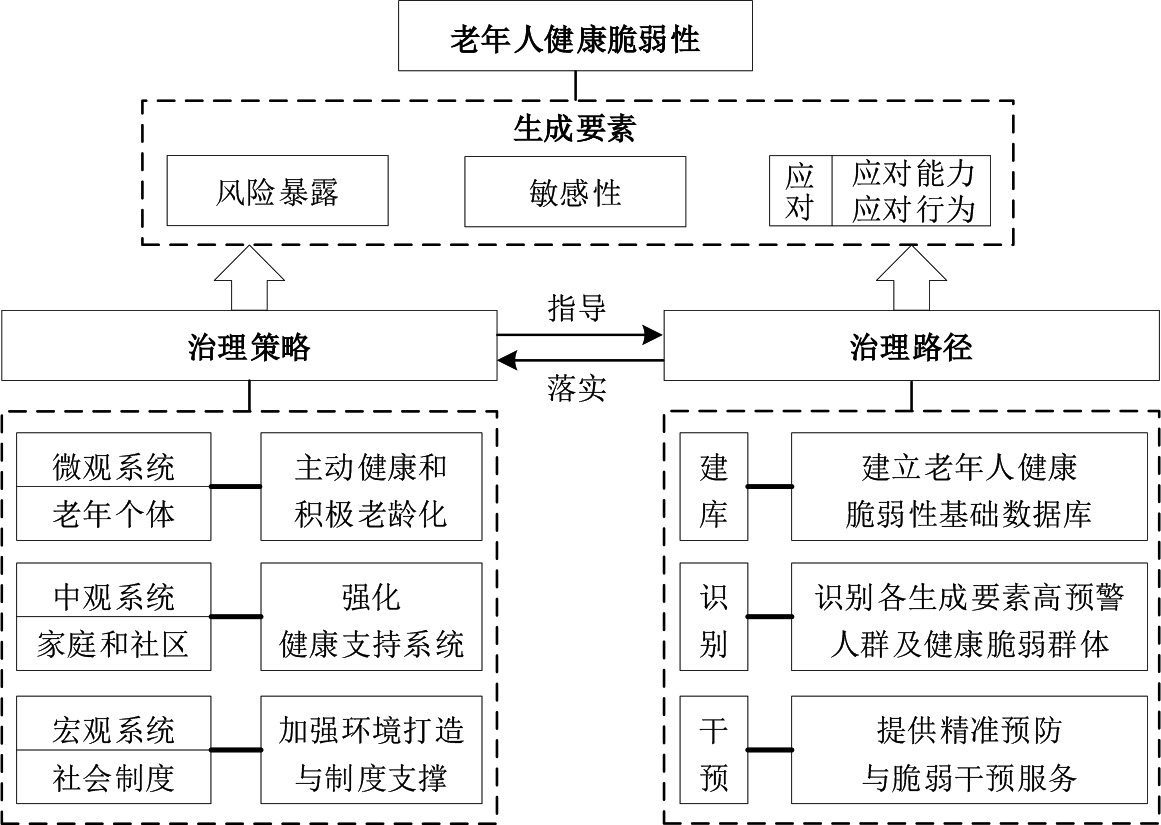
Healthy aging for an ultra-large older population is an important practical issueand a challenge in the process of China’s modernization. From a risk perspective, examining the health vulnerability of older adults provides new insights and approaches for health governance. Based on the IPCC vulnerability framework and the SOR model, this study constructs an analytical framework for the generation of health vulnerability in older adults, systematically analyzes the core components, explains the underlying mechanisms, and proposes governance strategies. The formation of health vulnerability in older adults is the resultof the combined effects of health risk exposure, risk sensitivity, and risk response. Specifically, environmental risks and individual risk behaviors constitute risk exposure.Sensitivity encompasses physiological, psychological, social, and economic aspects.Risk response refers to coping capacity and coping behaviors. Given the roles and interconnections of these elements, the formation mechanism of an older adult’scomprises four sub-mechanisms: risk inducement, risk sensitization, disturbance response, and vulnerability evolution. The study also proposes an integrated governance strategy covering micro-, meso-, and macro-level systems, along with specific governance pathways.
Key words: health vulnerability, older adults, generation mechanism, governance strategies, healthy aging
CLC Number:
C913.6
C924.2
Feng Tieying, Hei Xiaoyan. Health Vulnerability of Older Adults: Element Analysis, Generation Mechanism, and Governance Strategies[J]. Governance Studies, 2026, 42(2): 124-140.
0 / / Recommend
Add to citation manager EndNote|Ris|BibTeX
URL: http://journal08.magtech.org.cn/Jwk3_zlyj/EN/
http://journal08.magtech.org.cn/Jwk3_zlyj/EN/Y2026/V42/I2/124