Governance Studies ›› 2026, Vol. 42 ›› Issue (2): 20-38.
Previous Articles Next Articles
Zheng Yueping, Huang Yuanyuan, Zhou Qianru, Chen Yao
Received:
Online:
Published:
Abstract:
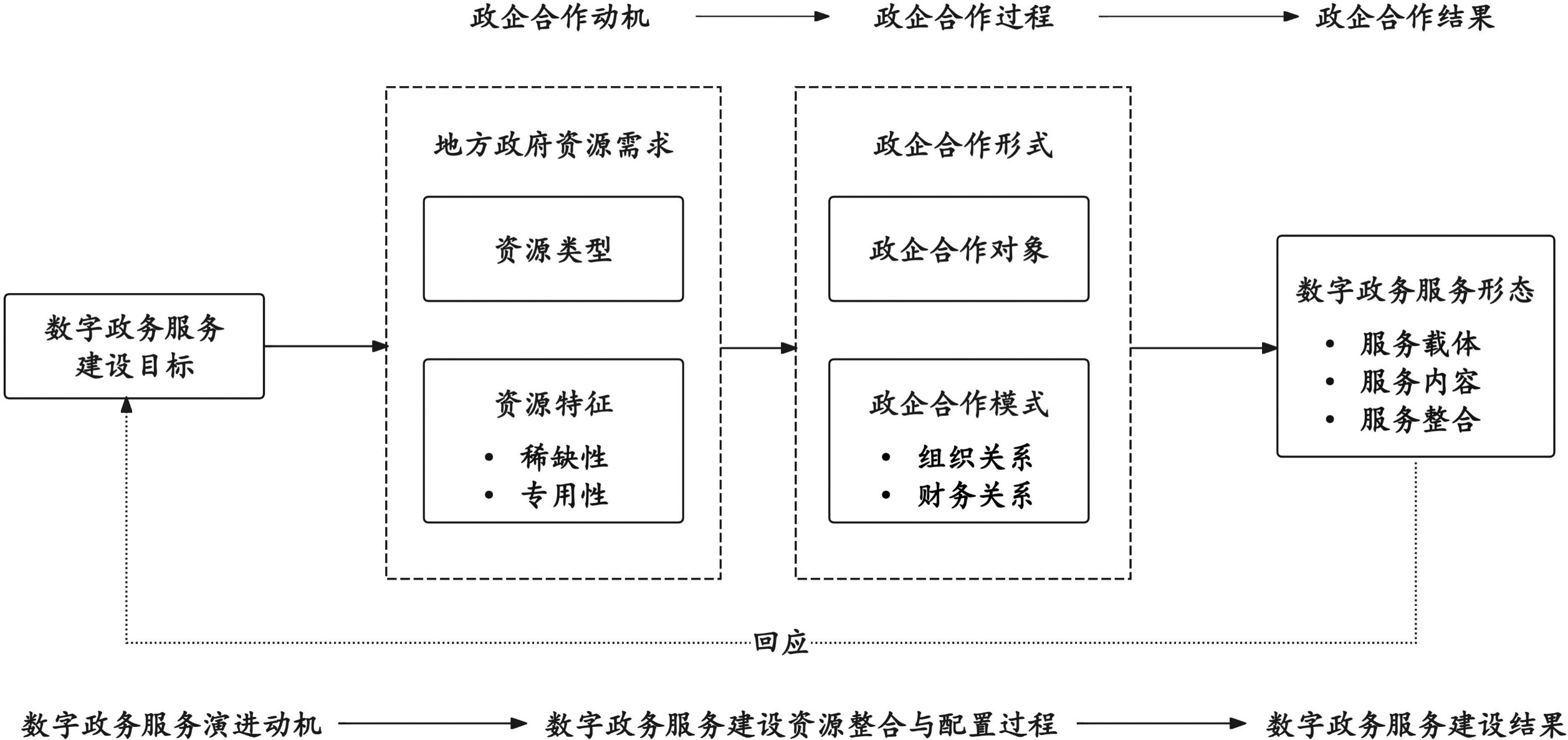
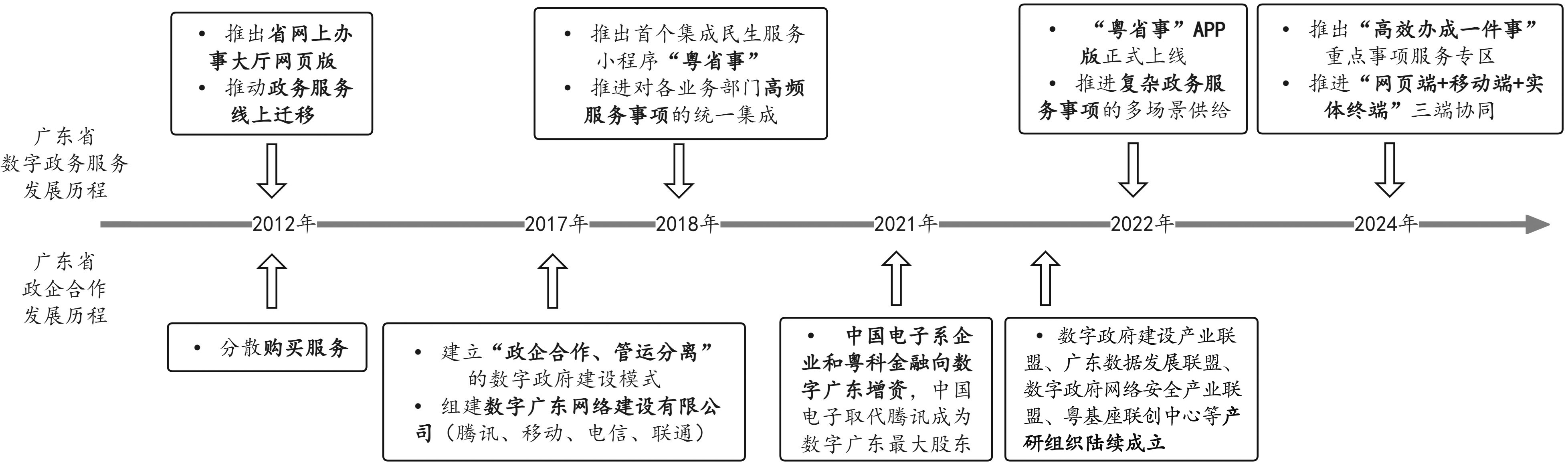
Understanding how digital government services evolve is essential for strengthening governance capacity and ensuring service accessibility. Existing research has explained cross-regional variation in digital government service development in terms of local government capacity and governance environments. What has had limited attention isa longitudinal perspective of this evolution that focuses on the role of public-private partnerships in that process. Drawing on Resource Dependence Theory, this study examines the evolution of digital government services in Guangdong Province and the mutually constitutive relationship between public-private partnerships and service configurations. The findings show that stage-specific goals shape local governments’ resource demands, which in turn influence their choice of private partners and partnership arrangements as they balance resource acquisition with the preservation of governance authority. These arrangements shape the resource base and allocation of service development, thereby producing different service configurations across stages. When existing configurations no longer fit new goals, governments reassess resource needs and adjust partnership arrangements, driving further service evolution. This study offers practical insights into sustaining effective public-private partnerships in digital government.
Key words: digital government services, public-private partnerships, resource dependence theory
CLC Number:
D63
Zheng Yueping, Huang Yuanyuan, Zhou Qianru, Chen Yao. Resource Dependence, Public-Private Partnerships, and the Evolution of Digital Government Services: A Case Study of Guangdong Province[J]. Governance Studies, 2026, 42(2): 20-38.
0 / / Recommend
Add to citation manager EndNote|Ris|BibTeX
URL: http://journal08.magtech.org.cn/Jwk3_zlyj/EN/
http://journal08.magtech.org.cn/Jwk3_zlyj/EN/Y2026/V42/I2/20